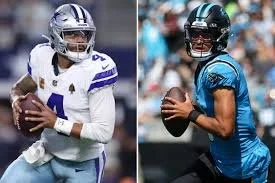
That Winning Feeling? Prediction for Panthers/Cowboys
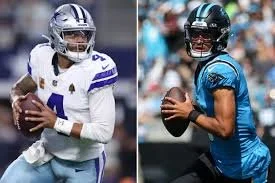
It’s amazing how much better a Monday feels after a Panthers win. Even though that game should never have been as close as it was, the Panthers, Bryce in particular, seemed to shoot themselves in the foot right out of the gate. They’re such a middling team that they can’t overcome those mistakes 99% of the time.
While the Cowboys game this week is winnable, the thought of this struggling franchise winning back-to-back games feels almost unthinkable. If the defense continues to play at the level we’ve seen the past two weeks, it’s possible. But any Bryce turnovers will almost certainly seal the game in favor of Dallas.
I think the Cowboys jump out to an early lead, forcing Bryce to play from behind, which might pad his stats, though we all know stats can lie. In the end, I see it: Cowboys 31, Panthers 24.
Prediction: September 28th
Solid performance last week from the Panthers. I’m 0-3 with my predictions so far, so in an effort to will them to another win, I’ll take the Patriots 21-20. The run defense will be key, and if Chuba has a big day on the ground, it could make all the difference.
False Spring?
Renewed Hope or False Spring?
Given the last seven years, it’s both easy to get excited for any signs of hope for improvement. But, it’s also fair for anyone to wonder if the Atlanta game was an aberration, which we’ve seen on occasion in the last three years. Think Green Bay game in 2023, and the progress at the end of last year that everyone hoped would carry over, but clearly didn’t.
I happen to believe that this team is closer to the one that we saw over the last six quarters than the first, but only time will tell.
The Panthers face a 1-2 New England Patriots this Sunday and you might be tempted to think that the Panthers will walk away with a win. And, they just might. But don’t overlook the Patriots strong run defense or the fact that this is the third road game in four weeks. This team hasn’t done great on the road and you’re just as likely to see a regression as a continuation of what we saw this past week.
But, I can’t help but think back to last year and remember that this team thrives with momentum, which they clearly have going into this week’s game. Let’s hope that they continue that trend and walk away with another confidence building win as they go into a stretch of winnable games. Hope springs eternal, after all, and it’s a lot more fun than finding out it was just a false spring in the midst of a long, hard winter.
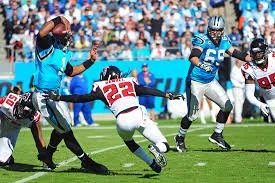
Happy To Be Wrong.
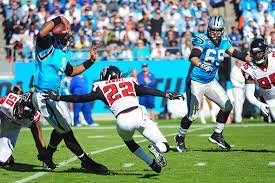
The Panthers shocked everyone yesterday, myself included, after I predicted they would lose 27 to 17. I’ve got to hand it to them, they looked sharp in every aspect of the game. Bryce wasn’t asked to do much, but sometimes that’s exactly the kind of performance you need. The defense was outstanding aside from the hiccup on the punt return, special teams delivered, and I think holding Trevor Etienne accountable is the right move. For too long, accountability hasn’t been a staple in Carolina, and it’s refreshing to see that change.
Another thing I was clearly wrong about is Tetairoa McMillan as a prospect. He looks insanely athletic and plays like he’s already been in the league for three years.
Prediction For Falcons at Panthers
27-17 Falcons
I’ve got Atlanta coming out on top, 27 to 17. I don’t see the Panthers being able to contain Bijan Robinson, and I’ll go ahead and pencil him in for over 110 yards on the ground. I also think Kyle Pitts finally gets some steady usage, 5+ catches for at least 60 yards.
For Carolina, it’s already looking like a long season. The holes on both sides of the ball are glaring, and the results are starting to feel inevitable. I’ve already fired up the mock draft simulators, and it’s only Week 3.
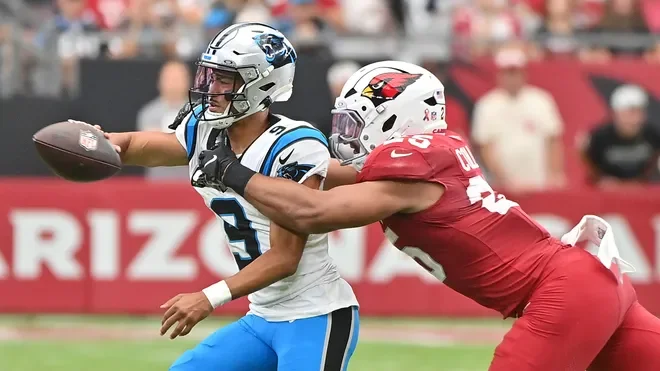
Moral Victories Are Still Losses
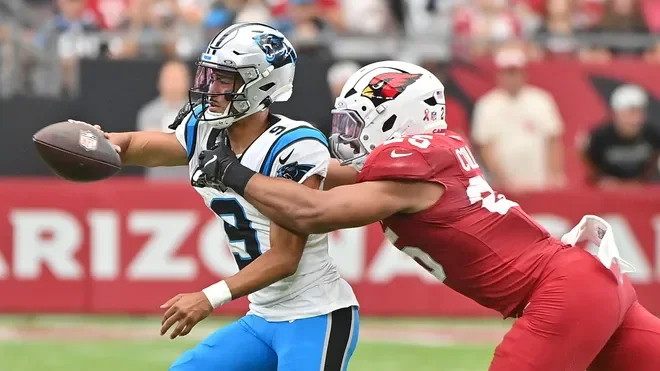
I am not happy with a close loss or an “impressive” stat line. Mark Twain was right about stats, and Bryce’s numbers are meaningless when they’re manufactured while the team is down three scores. They only got back in the game against a prevent defense. They were beaten soundly by a bad team.
In a league designed to turn franchises around, you have to work really hard to screw up this badly time and time again. This organization is a joke, from the owner to the front office, the coaching staff, and maybe even the fans for being dumb enough to keep tuning in every week. Dave Canales never learns from week to week. The players are never held accountable; looking at you, Nick Scott. And just when you think they’ve hit rock bottom, they somehow manage to find a new low.
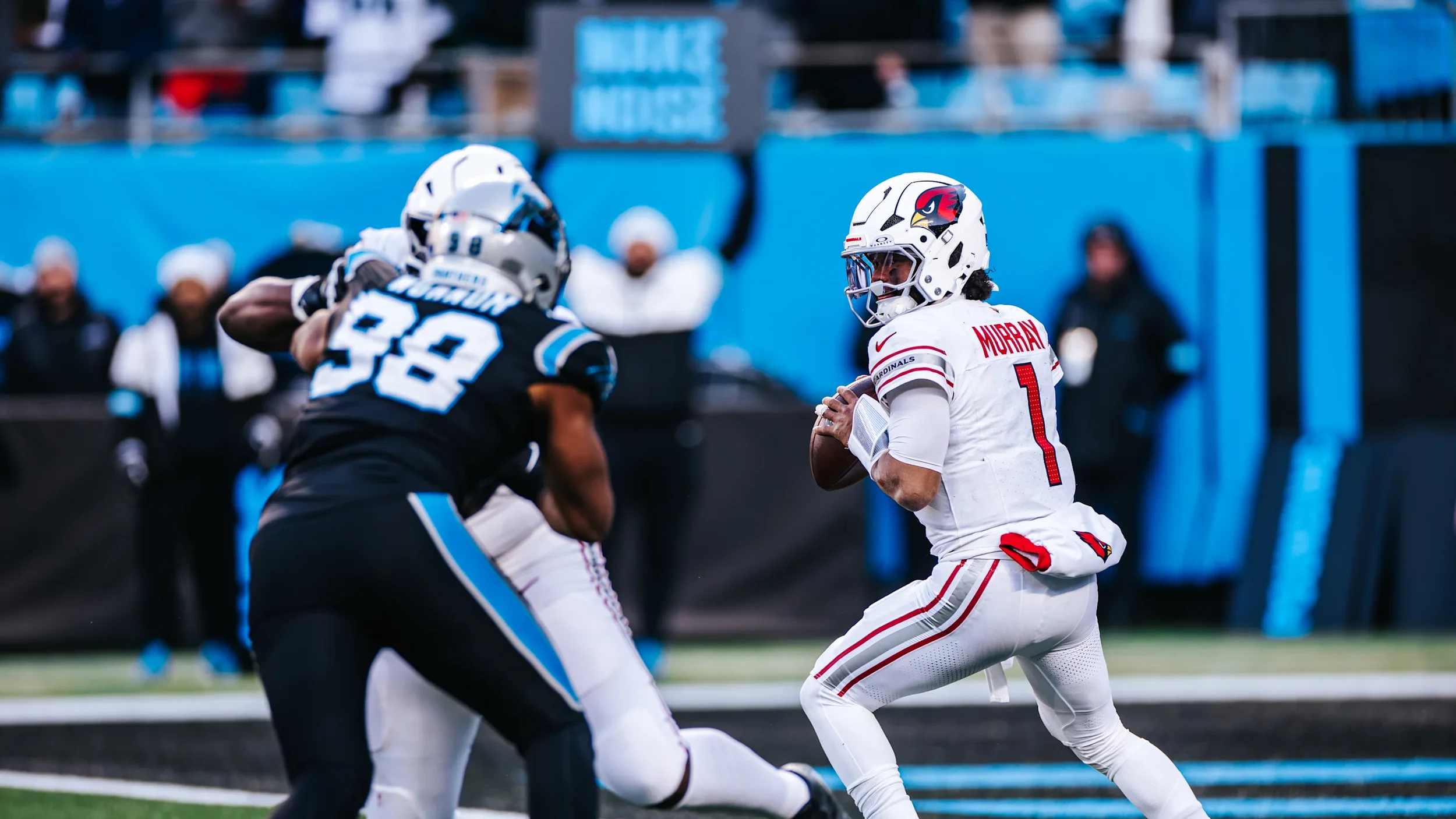
Do Or Die.
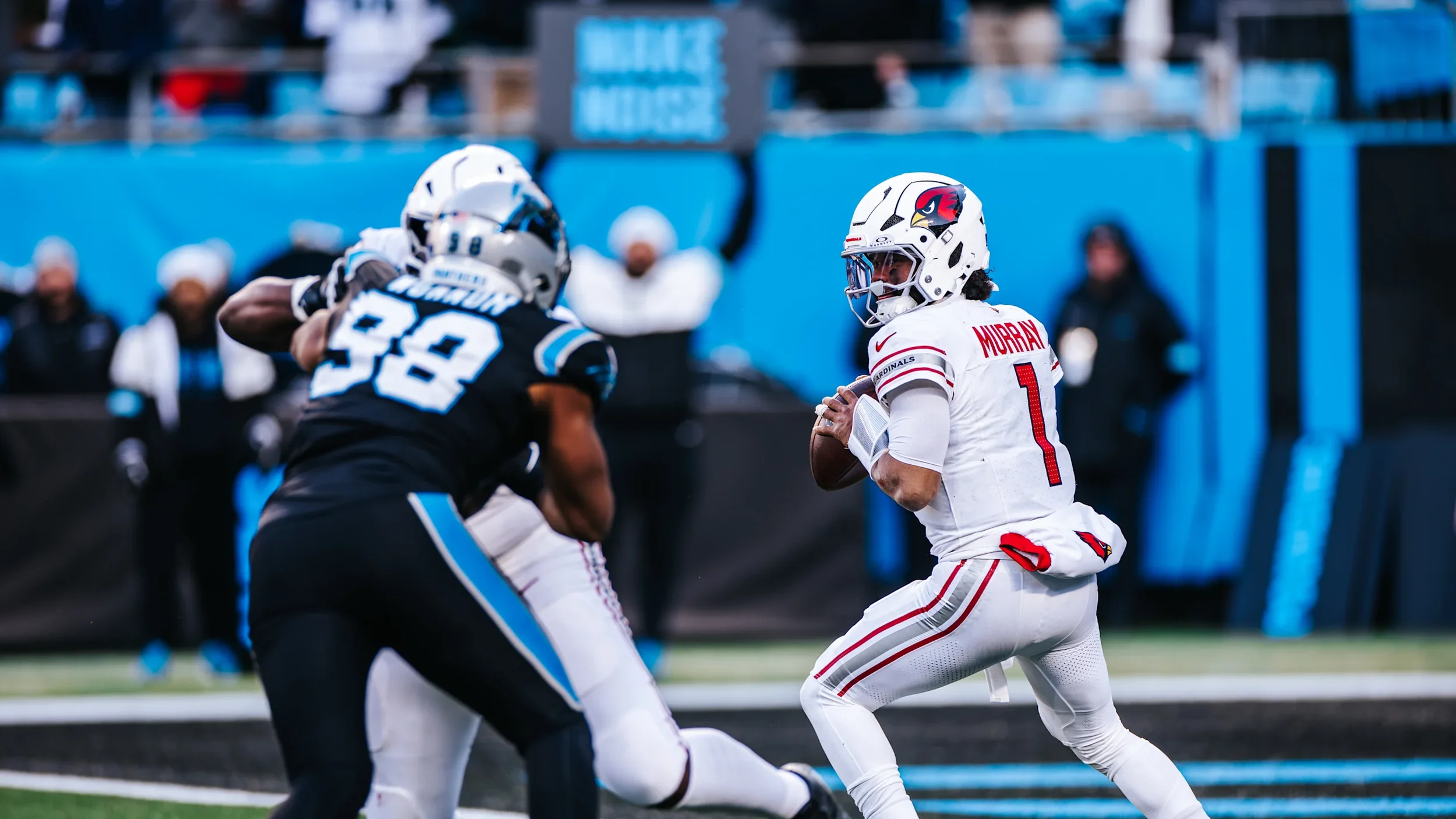
I don’t think it’s an overstatement to call Sunday’s game in Arizona a must win. History shows that falling to 0 to 2 makes the playoffs nearly impossible, and let’s be honest, no one really believes this Panthers team is built for more than 7 wins at best.
The formula has to change. Let Bryce play free, but lean on the run game, even when it is obvious. That is what this offensive line was built for, and the personnel, yes, looking at you Ickey, who should be back this week, are better suited for pounding the ball than sitting back in protection.
On defense, the approach has to be just as bold. Sell out to stop the run, even if it means giving up a couple of big plays through the air. A few slashes hurt less than death by a thousand cuts. Load the box with 7 or 8, and trust Jaycee to take away one side of the field.
It is time to do something different, because when the games have mattered, last year and in Week 1, what they have been doing has not worked.
And one more thing. I have never been a fan of overly emotional coaches, like when Mike Singletary once showed his “coin purse” to call out players. But Dave Canales is drifting closer to that danger zone. Now is the time to show some emotion, not necessarily positive, and hold both players and coaches (EE included) accountable.
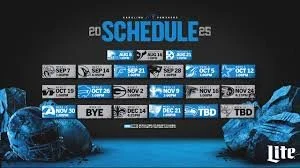
The Blame Game
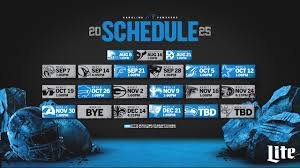
The Carolina Panthers have so many problems it’s hard to know where to start. The team that took the field Sunday looks almost identical to last year’s squad, just with a few new faces on defense.
It’s easy to point at David Tepper, who is quickly cementing himself as one of the worst owners in sports. He’ll argue that he’s “staying out of the way,” but his fingerprints are all over the team. Based on the Panthers’ own offseason YouTube series, it’s clear he insists on a certain defense being run and is heavily involved in roster decisions.
Dan Morgan and Brandt Tillis deserve plenty of blame too. They control the roster. Yes, Scott Fitterer crippled the franchise with the Bryce Young trade, but last year’s draft was still a disaster on their watch. Xavier Legette looks lost and nowhere near worth the 1st-round pick they traded up for, he looks more like a mid-round flier. Meanwhile, they passed on Ladd McConkey and could’ve paired him with Jackson Powers-Johnson in the 2nd. To make matters worse, they gave away Brian Burns for what amounted to a laughable return.
On the coaching side, Dave Canales keeps insisting the schemes are fine, which is basically saying the players are the problem. That lack of accountability runs all the way through the organization. Everyone is more concerned about avoiding blame than fixing the mess.
And we all know how this season is going to play out. It’ll look just like last year. Evero Ejero will be fired somewhere between Weeks 6–9. Bryce Young will flash just enough to give fans a sliver of hope, even though anyone honest can see he’s not the long-term answer.
The bottom line: this organization is rotten from the top down. It’s miserable to watch, and there’s no sign of it changing anytime soon.
A Defensive Posture
For the third straight year, the Panthers’ run defense is a disaster. Ejiro Evero is back yet again, likely because David Tepper is tired of paying coaches not to coach. Does Evero need to go? Yes. Would firing him now make a difference? No. The damage is already done.
History shows the Panthers’ best defenses came when they lined up in a four-man front. It’s simple football, it clogs running lanes, creates natural matchups with tight ends, and lets a SAM linebacker cover instead of forcing an EDGE or undersized safety into mismatches. The supposed “advantage” of the 3–4 is an improved pass rush, but we saw none of that Sunday. What we did see was nearly 200 rushing yards given up. Again.
So why stick with it? Because a meddling owner, desperate to copy the Steelers, insists on running Pittsburgh’s scheme. That’s the brilliant master plan. We’re told Tepper has “taken a backseat,” but that’s a façade. It’s the same old story: dictating schemes, sitting in the draft room, and making decisions that only make climbing out of this hole harder.
Not that it matters much to him, his investment has already appreciated by over $3 billion. Winning football, though? That will not happen with him as an owner.
Lessons Not Learned
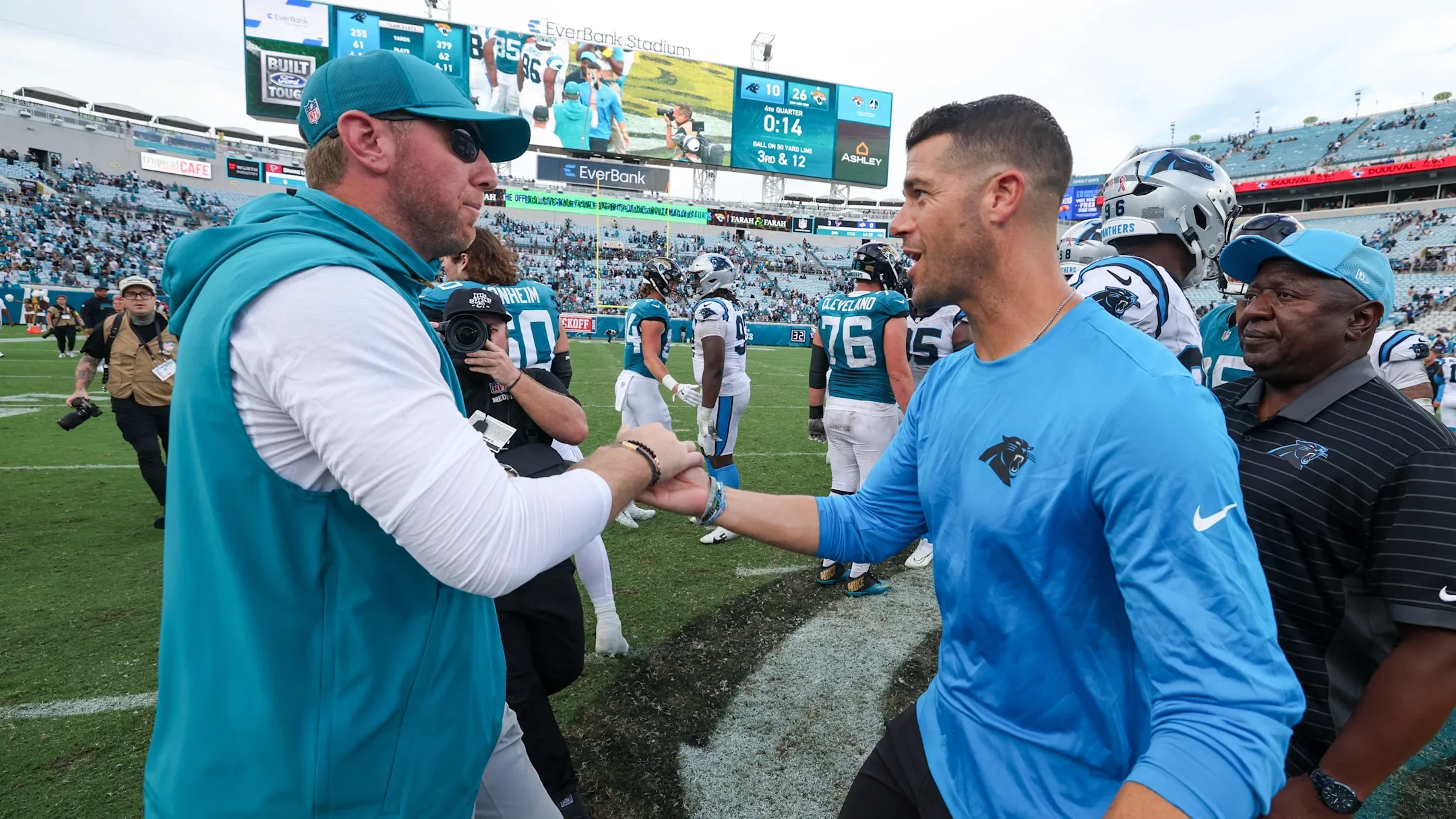
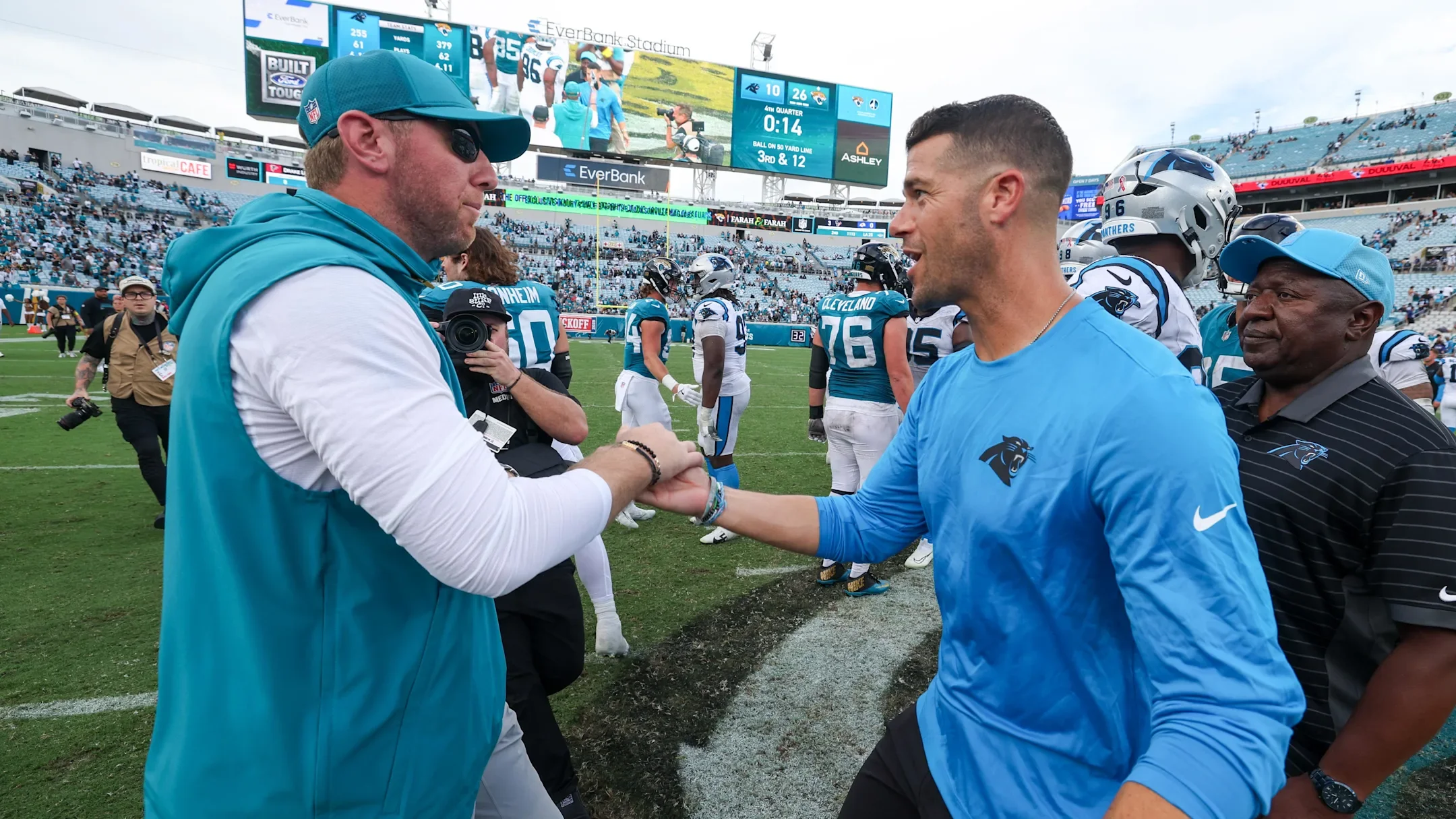
This organization is lost and soulless. It starts at the very top with a buffoon owner who always gets in the way, dictating schemes simply because that’s what Pittsburgh runs. The coaching staff is either too green or too incompetent to push back. Dave Canales looks terrified to open things up offensively. The Panthers refuse to attack downfield either out of fear an interception would crush Bryce Young, or, more likely, because their quarterback doesn’t have the physical tools to do it. On defense, it’s the same old failure: a three-man front that can’t stop the run and a passive secondary that shows no aggression.
With every passing game, the Bryce Young trade looks worse. All that draft capital for a quarterback who can’t elevate a team, but instead needs an all-star cast just to function. That’s not what you sell the future for, and it’s becoming harder to justify with each uninspired performance.
It’s never too early to talk about the draft. Canales and Young are dead men walking in Charlotte. Everyone knows it, and now it’s just a matter of time. It’s over, and there is no saving it. As someone pointed out to me, a normal organization could've been rebuilt three times since 2017. But the Panthers have a buffoon at the top.
Cause for concern
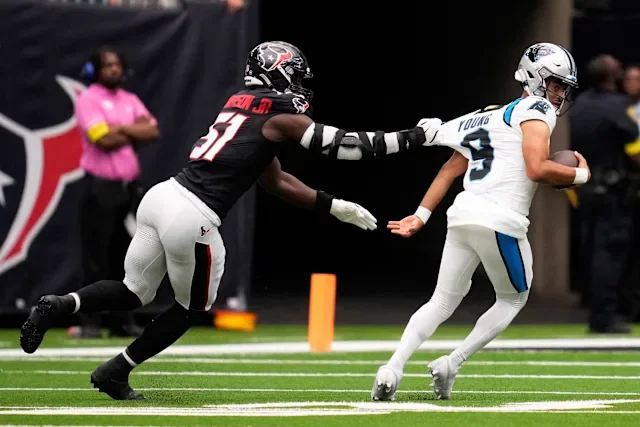
Preseason Game at Houston.
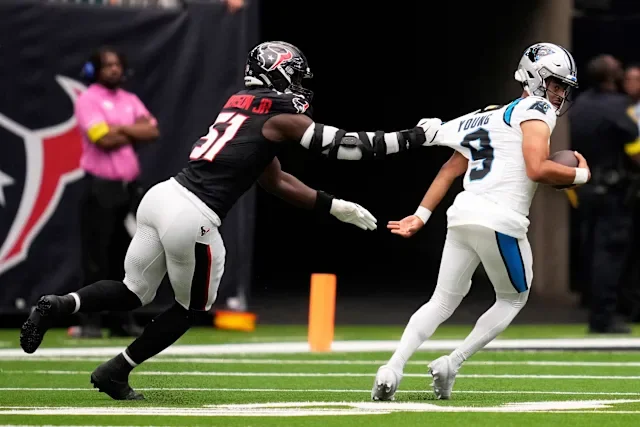
If you’re a Panthers fan and not concerned, it’s time to wake up. NFL teams can’t just flip a switch when the season starts. The coaching staff pulled the plug too early. Head Coach Dave Canales should have kept the starters on the field until they proved they were ready to open the season without stumbling out of the gate. The risk of injury doesn’t outweigh the danger of a rusty start that a team may never recover from. After the game, Canales confirmed that starters will not play in the final preseason matchup.
The offense clearly needed more snaps to find rhythm, but the defensive scheme may be the bigger problem. Scheme is one thing, but the inability to put the right personnel in the right spots is another. Why on earth is Tershawn “Turk” Wharton lining up at nose tackle in a 3–4? That misalignment is asking for trouble, and it highlights deeper concerns about this staff’s decision-making heading into Week 1.
Rookies report
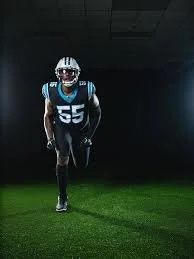
Rookies Report to Training Camp: Day One
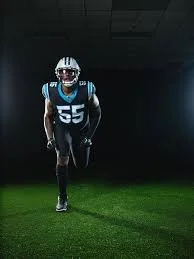
Cam Jackson
Image from Jackson’s Instagram.
The Panthers' rookie class reported to camp yesterday. While some players, namely Tetairoa McMillan arrive with high expectations, what are the realistic outlooks for each of the team’s draft picks?
Let’s start with McMillan. He’s drawn comparisons to Mike Evans, largely due to his 6'4" frame. But that comparison only goes so far, McMillan is slightly shorter, not as fast, and has significantly shorter arms than Evans. Clearly, he can play. His college production at Arizona speaks for itself. That said, Arizona hasn’t exactly been a powerhouse, especially after being left adrift in the wilderness of college football realignment.
The biggest red flag for me is Steve Smith's critique of McMillan’s ability to separate from defenders. That’s a concern. There are finer elements of his route running and physicality that he'll need to refine in order to live up to the expectations that come with being a top-10 pick. Bottom line: if he can haul in 60+ catches for 800+ yards and 4–5 touchdowns this year, that would qualify as a strong rookie campaign.
Nic Scourton was my favorite pick of the class. He’s got the size to set the edge and showed an ability to get after the quarterback while playing at a lighter weight at Purdue. He holds up well against the run, and if he can notch 4–5 sacks as a rookie, that would be an outstanding first year.
Princely Umanmielen looks like a classic boom-or-bust prospect. It’s fair to ask: how did someone with his physical traits and strong production in the SEC fall so far in the draft? The Panthers likely won’t rely on him much in early-down run defense; he’ll be used mostly as a situational pass rusher. If he can provide consistent third-down pressure and chip in with 4 sacks this year, that would set him up nicely for a bigger role in 2026.
A couple of final notes:
I loved the Cam Jackson pick. He’s a classic "planet theory" guy. There are only so many humans on Earth with that size and ability to clog the middle. Great value late in the draft.
As for Jimmy Horn Jr., I’m not sold. A 4.46 forty isn’t eye-popping at wide receiver, and certainly not at 5'8". There’s a lot of hype around him, but I’m skeptical until he shows he can contribute.
Roster Revolution?
How will the Panthers capitalize on draft picks in 2025?
It has been a while, but with the NFL Draft just around the corner, it’s time to get some thoughts down on paper. The Panthers handled business in free agency, addressing major roster holes and shoring up depth across the board. The Panthers did what they had to do in free agency—now it’s about drafting players who will make an impact in 2026 and 2027. This draft is about building for the future just as much as it is about improving the present.
Now comes the opportunity to add a dynamic playmaker and elevate the overall talent level, especially at the bottom of the roster. Whether it’s Jalon Walker out of Georgia, Tyler Warren from Penn State, or a potential trade-back scenario, Carolina is in a strong position to improve. One clear area of need remains: a defensive playmaker in the back seven. With the 8th overall pick, they have the chance to land a difference-maker—and then circle back in the second round to grab a safety who can contribute early.
Beyond the top picks, the rest of the draft is about stacking depth and building a competitive 53-man roster. In a grueling 17-game season, depth isn’t a luxury—it’s a necessity. The nucleus of a strong team is built between rounds 2 and 5, and fortunately, the Panthers have the draft capital to do just that.
Clawing for Talent: Mock Drafts and Long Term STrategy

Jalon Walker from Georgia.
Mock drafts are a lot of fun for fans, especially during the long offseason. They become even more exciting after the Super Bowl when the official draft order is set. However, they hold little value before free agency in March. A team’s needs in February might be addressed in a mock draft, only to become irrelevant after free agency.
Personally, I can spend hours on NFL mock draft simulators, but real or simulated drafts don’t take meaningful shape until after the first days of free agency. I don’t want this team to spend big in free agency, as I believe most players fail to live up to expectations after receiving large contracts. Instead, the team should target overlooked players who have slipped through the cracks in difficult situations—like Jeremy Chinn, who wasn’t utilized properly in Carolina but thrived in the right scheme after leaving.
A major problem this organization has faced is a lack of long-term strategy. Constantly shifting between philosophies—like switching from zone blocking to a power run scheme or from a three-man front to a four-man front—makes it difficult to draft players with traits that fit the system. This lack of continuity has hurt roster development and overall success.
Now that the team has settled on a scheme, they need to focus on drafting players who fit it. Free agency should be used to fill gaps, allowing them to draft strategically rather than out of necessity. This approach ensures they can truly select the best players for their system.
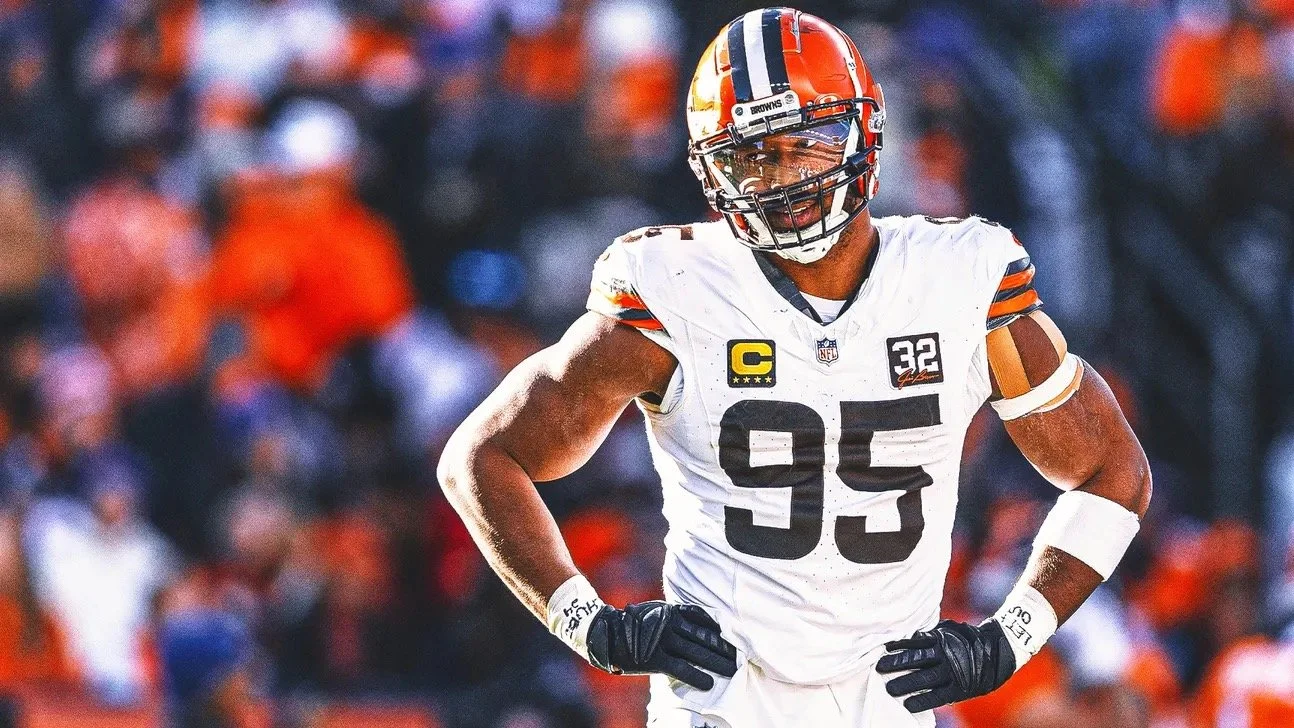
Move Myles?
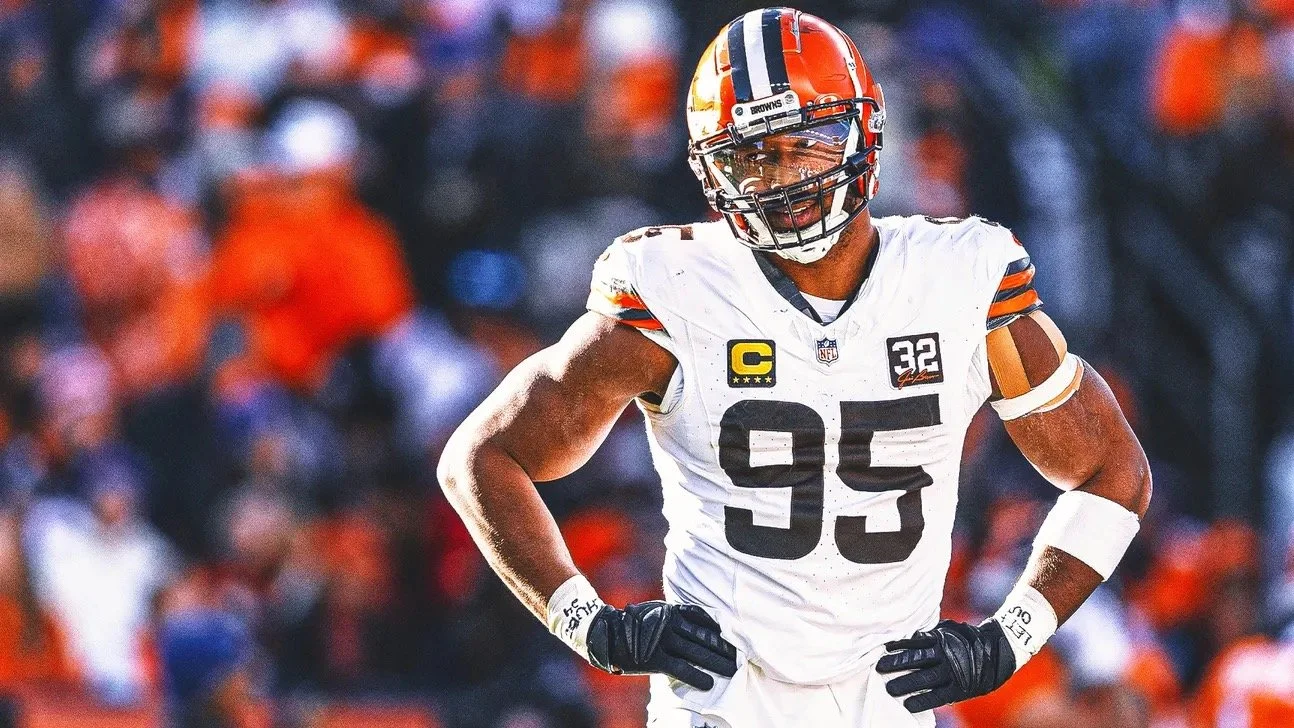
Myles Garrett.
Myles Garrett wants to be released. He feels his time in Cleveland has run its course—one of the NFL’s wastelands, potentially worse than Carolina. Meanwhile, the Panthers desperately need stars on defense to pair with Derrick Brown and Jaycee Horn.
If the equation were as simple as trading the No. 8 pick for Garrett, would you do it? I wouldn’t—but it’s a tough call. Garrett is 29, and while that’s not old for a quarterback, it’s getting up there for a pass rusher. Yes, he would instantly be better than anyone the Panthers could draft at No. 8, but his cap hit would severely limit offseason flexibility.
Successful teams are built organically, and that’s where Carolina has struggled. Their issues stem from two major mistakes: making the wrong hires in the front office and coaching staff, and trying to force success too quickly—like believing Bryce Young could step into a winning situation in 2023.
The right move here is to pass on the generational talent. Garrett is elite and at his peak, but by the time the Panthers put the necessary pieces around him, he’ll be on the decline. Let him go to Buffalo or Baltimore, where he can push a contender over the top. In Charlotte, he would only consume resources that the organization needs to take the next step.
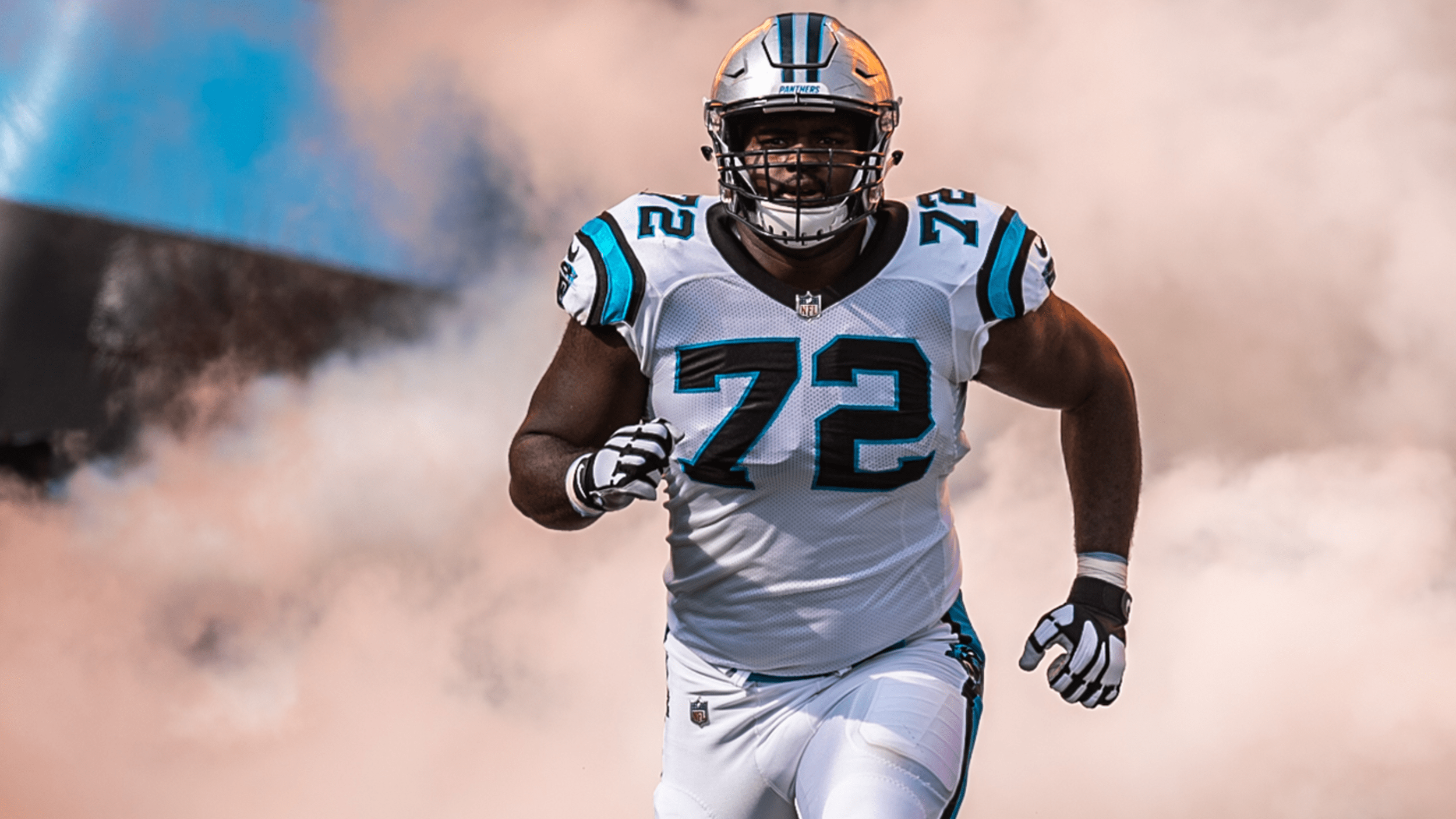
Risking with Rookies
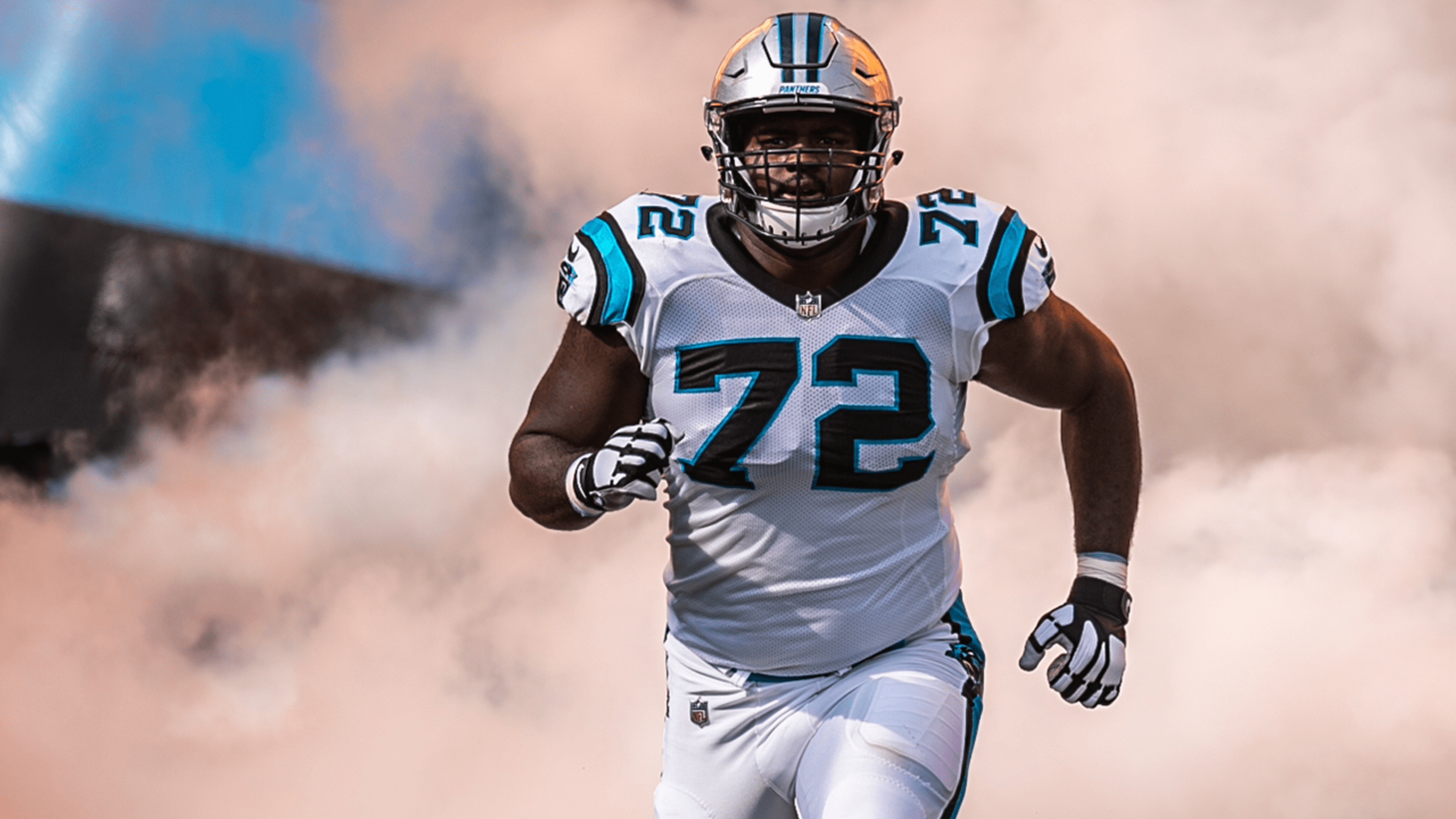
Two major questions loom over the Panthers offensive line this offseason: what to do with Taylor Moton’s contract and how to find stability at center.
The Moton contract situation is particularly interesting because the team appears to be moving away from the “kick the can down the road” approach—spending now and dealing with the financial consequences later. However, with the strides Bryce Young made in the second half of the season, this is not the time to tinker with his protection. The Panthers must find a way to extend Moton and manage the cost down the line.
As for the center position, the team dropped the ball last year. There’s no need to rehash that mistake when they could have secured stability for the next decade. Heading into this season, Cade Mays seems like the logical choice, and based on his performance, fans should feel comfortable with that.
Which brings us to the draft. The Panthers must get ahead of the ball and start drafting players for the future rather than focusing solely on immediate impact. That’s not to say rookies can’t contribute, but relying on them to step into starting roles right away is not a recipe for success. Ideally, the team should select players who can develop into key contributors in years two, three, and four. That should be the strategy this year.
While they have long-term needs on the offensive line, particularly at center and tackle, they can still use picks in rounds three, four, and five to identify a future starter while also building depth. Whether you agree with the player or not, the pick of Chandler Zavala was solid in that they were building for depth. The failure occurred when he was forced into action too soon. The stability they have now gives them the flexibility to draft for both the present and the future.
Bottom line is that in a salary cap era, rookies are going to be forced into action. You hope they are get up to speed quickly or maybe you can mask their inexperience. It is my hope that the 2025 draft has more of a focus on 2026 and 2027 than it does 2025.
A Quick Fix for the Panthers Defensive issues
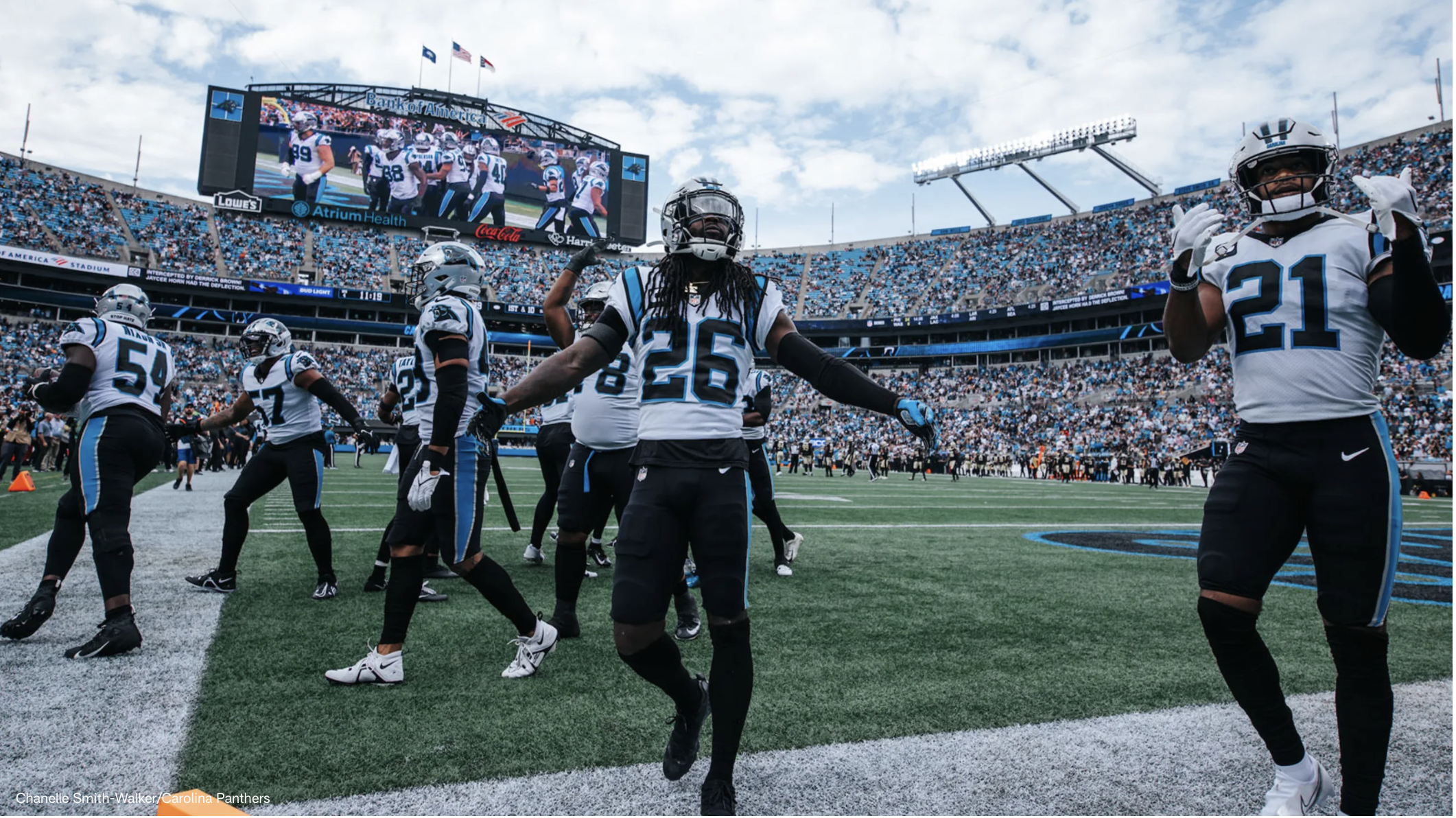
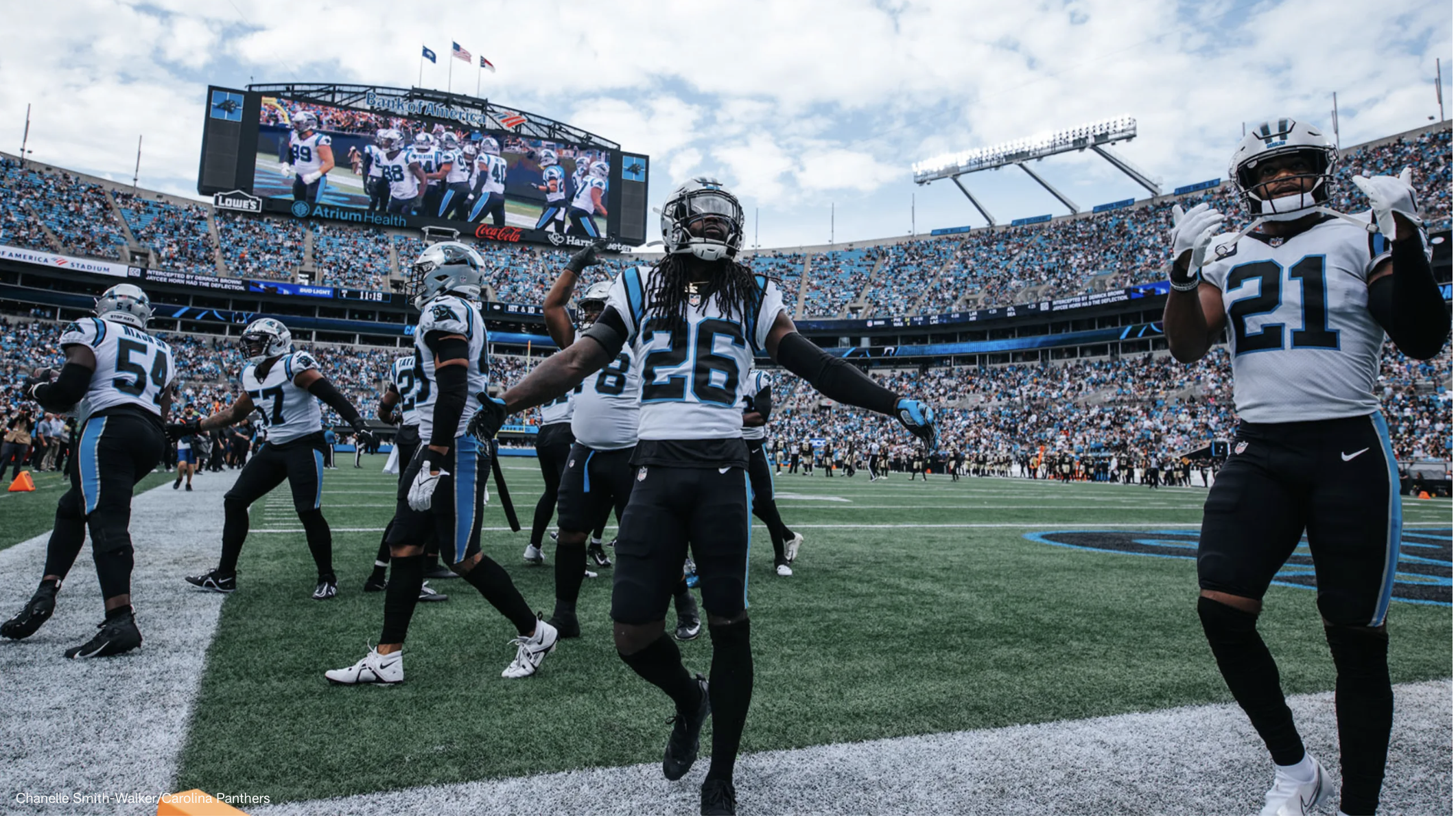
Panthers defense in 2022.
David Tepper has received credit for stepping out of the limelight over the past year. However, his decision to push Ron Rivera into adopting the 3-4 defense has proven to be a lasting mistake. Tepper’s infatuation with the Steelers is, at best, strange, and his attempt to replicate their defensive philosophy in Carolina has backfired. This season, the Panthers fielded a historically bad defense. I previously pointed out that the personnel doesn’t fit the scheme.
Longtime fans will recall that during the best seasons in franchise history—2003 and 2015—the defense thrived in a 4-3 system. While some defenders of the organization, particularly former team-employed reporters, may argue that the difference in schemes is minor, the results speak for themselves. Those successful teams relied on controlling the line of scrimmage with two large defensive tackles, a stout left end, and a pass-rushing right end.
This organization’s best defenses have always featured dominant defensive tackles jamming up the middle, controlling the line of scrimmage, and freeing up the linebackers to roam and make plays. It’s time to return to that formula. The Panthers have the personnel to transition back to a 4-3 base defense, which would lead to quick improvements.
Admittedly, this doesn’t align with the current defensive coaching staff’s philosophy, but the odds of this staff, particularly Ejiro Evero, being here in 2026 are slim. Long term, the four-man front is more effective. It allows linebackers to play freely and reduces the likelihood of getting gashed up the middle.
Finally, this team has great pieces in place for the switch, and it would maximize the impact of their best defensive weapon, Derrick Brown.
The shifty route
Adam Thielen.
The Panthers will likely be seeking wide receiver help during the offseason. While Tee Higgins is a name often mentioned, he may be too expensive. Personally, I've never been a fan of spending big money in free agency. It often feels like many players don’t live up to the hype.

Instead, the team could turn to the draft. Tetairoa McMillan (Tet McMillan) is a popular choice at No. 8 in many mock drafts. As someone on the East Coast, I didn’t watch much Arizona football, so I don’t have a fully formed opinion of him. He seems to have the traits of a solid prospect, but I’ve seen concerns about his ability to separate at the line of scrimmage—a skill Steve Smith always emphasized as critical for success.

Another option could be moving back a few spots to draft Luther Burden. While Burden doesn’t have McMillan’s physical size, he appears more NFL-ready and could contribute sooner. That said, rookie wide receivers often need time to develop. Xavier Legette struggled this year despite being a first-round pick, and I’d argue he was more of a second-round talent. It felt like the team panicked with that late Thursday-night selection.

For what it’s worth, I’ve been vocal about wanting Ladd McConkey back in 2024. I followed his career at Georgia closely. His route-running was phenomenal, and his value skyrocketed after his faster-than-expected combine performance.

Right now, the Panthers’ wide receiver corps consists of Adam Thielen, Xavier Legette, and Jalen Coker. While there’s room for improvement, expecting a rookie to come in and save the day is overly optimistic. If the Panthers decide to use the No. 8 pick on a wide receiver, I wouldn’t be upset—it’s a position of need. That said, they could go in many directions at No. 8, and most of them could be justified.

Final Thought
I would not be upset with a first-round wideout. However, if they don’t pull the trigger in Round 1, I implore them to wait until Round 3. Think about all the misses in Round 2—Keary Colbert, Dwayne Jarrett, and more recently Terrace Marshall Jr. and Jonathan Mingo. Maybe it’s not the players or the team, but I don’t want to try that route again.The Lost Generation
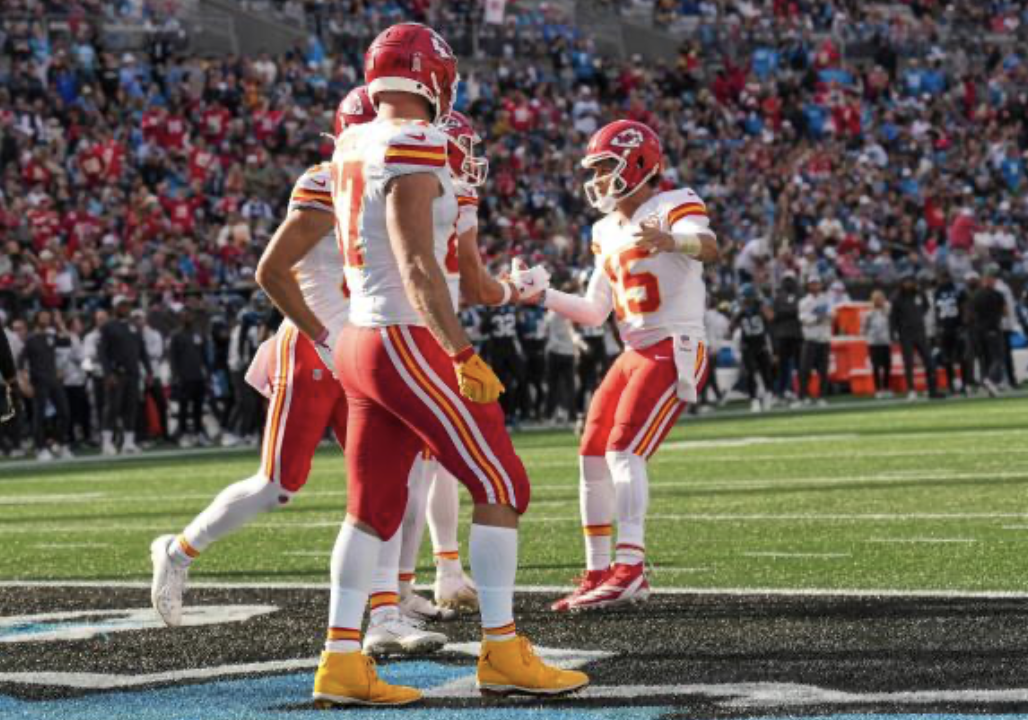
Kansas City Chiefs at Carolina Panthers, 2024. As you can see from the crowd, there is an array of red in the Panthers’ stadium.
The Lost Generation
Building a fanbase for the Carolina Panthers was never going to be easy. By the time 1995 rolled around, Charlotte was still an up-and-coming city brimming with potential. The Charlotte Hornets had already established themselves as a thriving franchise, thanks to stars like Alonzo Mourning, Muggsy Bogues, and, most importantly, Larry Johnson. However, the NBA is an entirely different beast compared to the NFL. Football fandom runs deep, often passed down through generations. This depth of loyalty is evident at every Panthers game, especially in the past seven years, as visiting teams’ fans routinely pack Bank of America Stadium.
When Charlotte was awarded an NFL franchise, the city lacked a native-born population large enough to naturally support the team. Instead, it had to rely heavily on transplants moving to the area. Making matters more challenging, North Carolina was already divided between two deeply entrenched fanbases: the Dallas Cowboys and the Washington Redskins. For the Panthers to succeed, they needed to carve out their own identity in a region dominated by other allegiances.
Adding to the challenge, Charlotte has always been a transplant city, with fans of teams from Buffalo, New York, Philadelphia, and beyond migrating to the area. Winning would have been the key to converting those transplants—and their children—into Panthers fans. But sustained winning has never been a hallmark of this franchise. Carolina has never managed back-to-back winning seasons in its entire history, a failure that continues to haunt the organization.
Unfortunately, the moves made under David Tepper’s ownership have cost the Panthers a generation of fans. My own son, born in North Carolina, is a Ravens fan—unlike me, who grew up in Baltimore. At a young age, kids want to root for a winner, and Carolina hasn’t provided that opportunity. Tepper inherited a franchise already battling for fan loyalty, but instead of building on what was there, his decisions have further alienated the younger fanbase.
The Panthers were awarded a franchise in part because of Charlotte’s rapid growth and North Carolina’s emergence as one of the fastest-growing states in the nation. That vision works only if the team wins, and wins consistently.
Early on, the Panthers managed some success. They made an NFC Championship appearance in 1996, alongside the Jacksonville Jaguars—an expansion franchise with which they’ll forever be linked. Under Jerry Richardson, despite his reported shortcomings as an owner, the team remained relevant. That relevance has eroded under Tepper’s leadership.
It’s important to recognize that no one likely wants success for the Panthers more than David Tepper. But one could question whether he envisions that success in Charlotte. That’s a conversation for another day. What’s undeniable is that many of his decisions have been disastrous. Tepper comes from a world of hedge funds, which is vastly different from the NFL. While both share the goal of maximizing profits, their structures are nothing alike.
The bottom line is that this organization was always going to face a loyalty problem. Too many people in Charlotte grew up rooting for other teams. Sustained winning could have changed that; but now, the excitement of the magical 2015 season feels like it belongs to a different lifetime.
An ickey dilemma
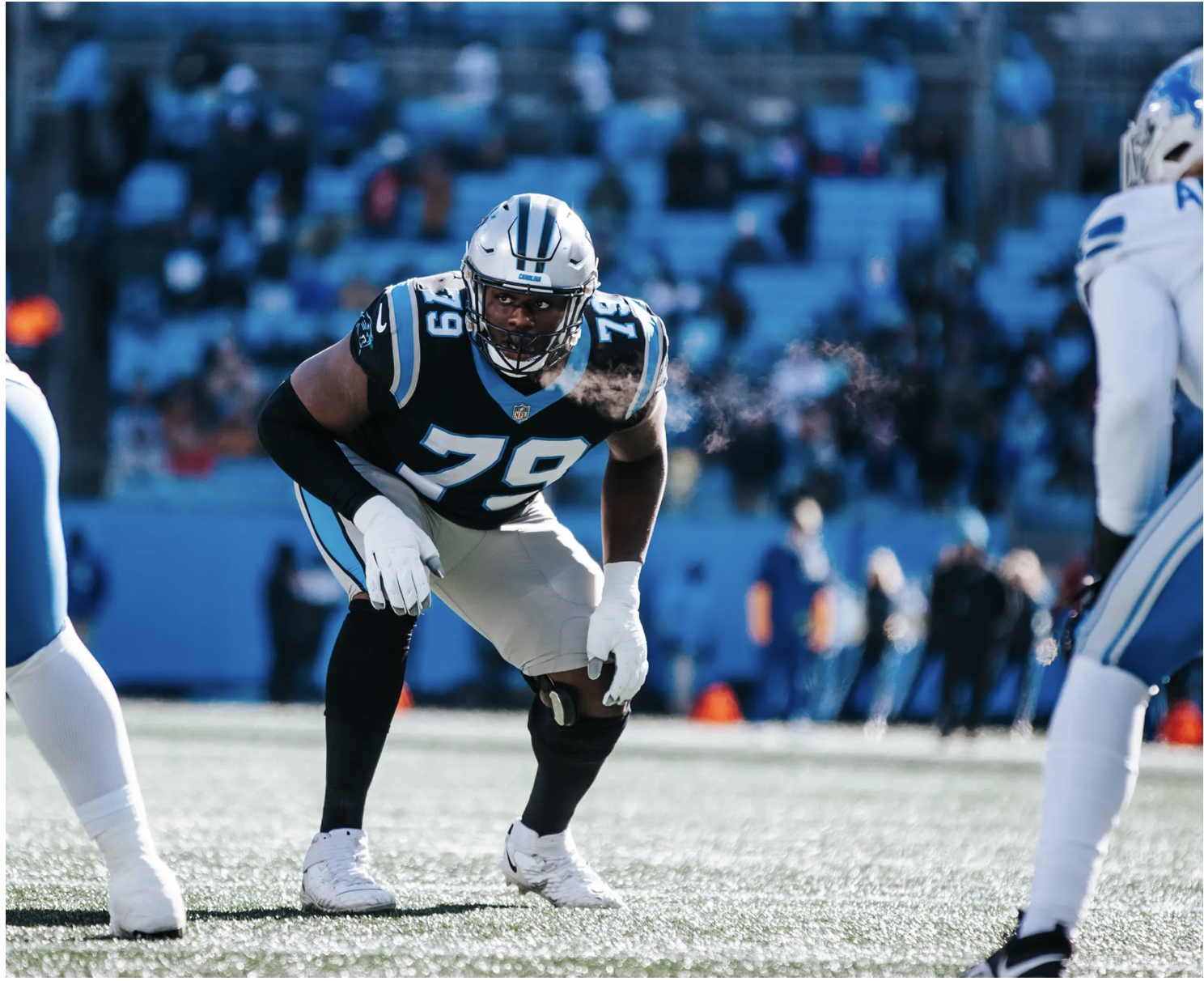
What should the Panthers do with Ikem Ekwonu? Steven Webb dives in.
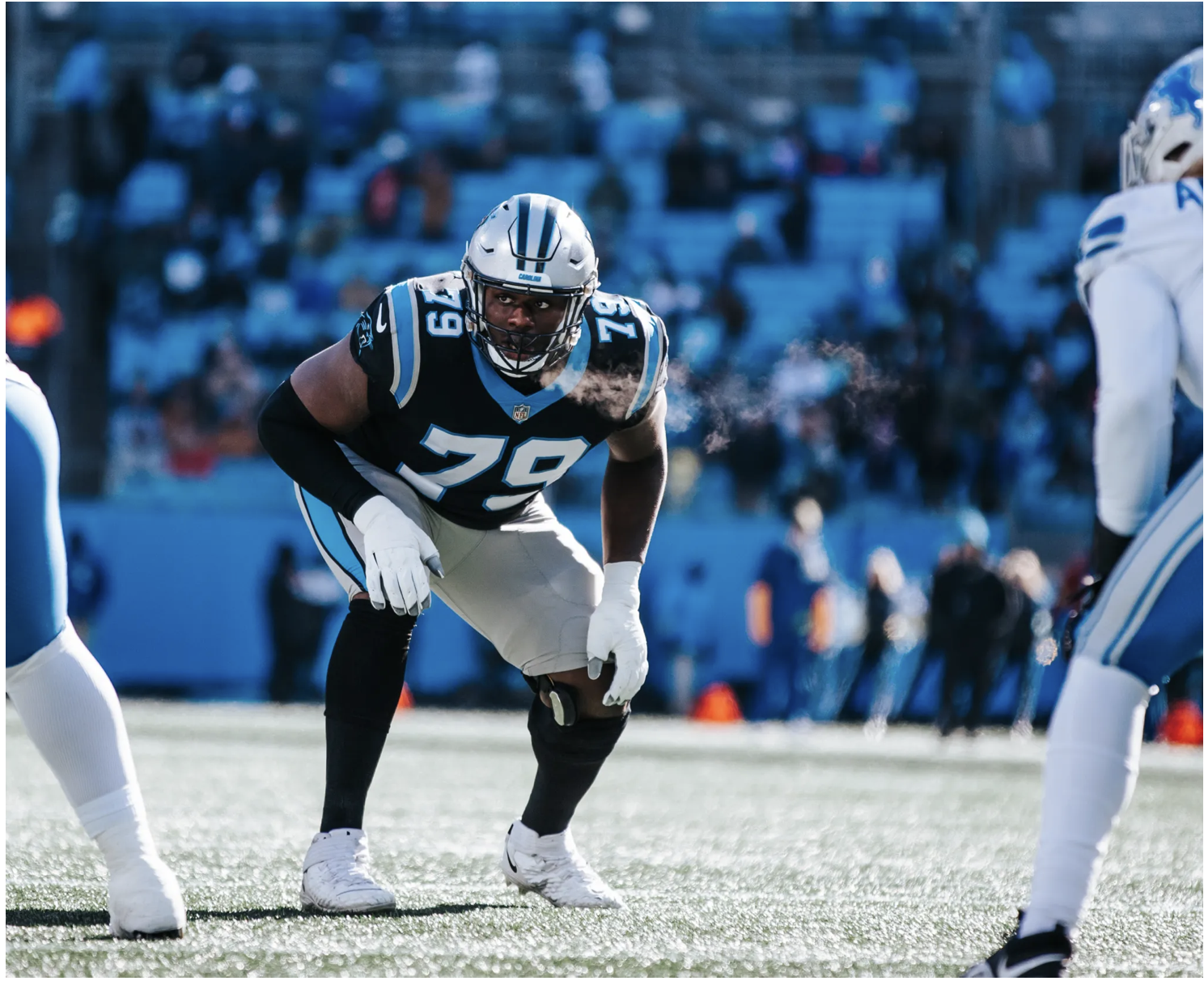
Ikem Ekwonu for the Panthers.
Since Jordan Gross’s departure nearly a decade ago, the Panthers have struggled to find stability at left tackle. They’ve tried everything: throwing big money at Matt Kalil, experimenting with Byron Bell simply because he was “left-handed,” signing Michael Oher (a.k.a. “The Blind Side” protector), and finally using a top-ten draft pick on the position. When Ikem Ekwonu was drafted, many—including myself—viewed him as a dynamic, Pro Bowl-level left guard. However, the organization had other plans.
They kept Ekwonu at left tackle, the position he played during his junior year at NC State. In that draft, they passed on Evan Neal and Charles Cross. So far, it’s safe to say he’s performed better than Neal, though there’s a legitimate debate between him and Cross.
Ekwonu avoided the infamous “Robert Gallery issue.” Gallery, the surefire pick out of Iowa in 2004, went second overall (ahead of Larry Fitzgerald) and was expected to be the next great left tackle, following in the footsteps of Orlando Pace and Jonathan Ogden. Unfortunately, Gallery’s short arm length allowed defenders to engage him before he could make contact. While he transitioned to guard and had a solid career, he didn’t live up to the expectations of being the second overall pick.
Ekwonu didn’t have this problem. At the NFL Combine, his arm length measured a respectable 34 inches. While he’s slightly shorter than the prototypical left tackle at 6’4”, players like Brad Hopkins (6’3”) thrived at the position for over a decade with the Oilers and Titans.
After Ekwonu’s rookie year, things appeared to be trending upward. It looked like the Panthers had finally stabilized the left tackle position. Yes— he had some struggles, but that was expected. Then came his second season, which was nothing short of a disaster. That’s not unusual—teams now had film on him, and as a wise friend once said, “Year two is always the hardest.”
That brings us to year three and the path forward. This season was an improvement over the previous one, but the question now is what to do as the Panthers head into year four of Ekwonu’s career. With a fifth-year option looming, the decision isn’t difficult, in my opinion. The Panthers should pick up the option, keeping him under team control for at least two more years. During that time, they should work toward a long-term deal.
Let’s be clear: I love the Wolfpacker, but he isn’t worth Trent Williams money. He is, however, worth top-15 to top-20 tackle money, if for no other reason than his versatility. Don’t forget that the longtime stalwart at right tackle currently carries a $31 million cap hit heading into next season. An average left tackle could potentially be an excellent right tackle.
The bottom line is that the Panthers should secure a long-term deal with Ekwonu. With so many holes on defense, the team can’t afford to create another problem by moving on from a serviceable left tackle. He may not accept what the team offers, but they have to try.