O’s Woes
The Orioles made the biggest move of their season this week, and while it was wildly unpopular with much of the fanbase, I think it was the right one.
On Monday, Baltimore traded Adley Rutschman to the Red Sox for a package of prospects. On the surface, it's easy to understand why fans are upset. Adley was the face of the rebuild, the No. 1 overall pick, and a player many hoped would spend his entire career in Baltimore.
But baseball is a business, and the writing had been on the wall for some time.
Reports indicated that Rutschman turned down long term contract offers from the Orioles, making it increasingly clear that he had no intention of signing an extension. If those reports are accurate, the Orioles had two choices: keep him until he walked away for nothing, or trade him while his value was still significant. They chose the latter.
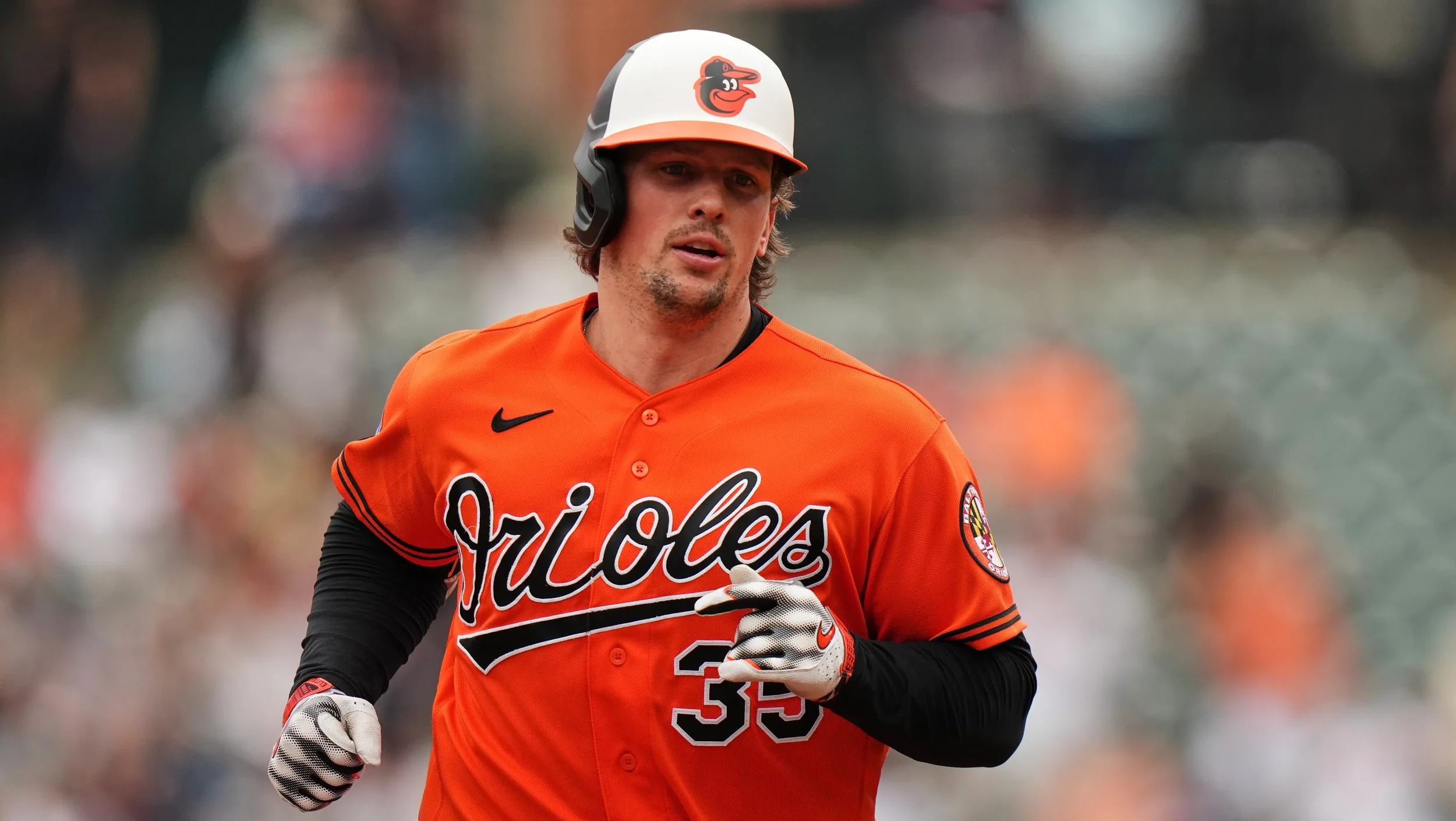
As much as fans loved Adley, he also never quite became the superstar expected of a No. 1 overall pick. He was a very good player, but not the franchise changing talent many envisioned. Looking back, Bobby Witt Jr. appears to have been the better selection in that draft.
The bigger reason fans are frustrated isn't necessarily the trade itself. It's who made it.
Mike Elias deserves credit for rebuilding one of baseball's worst farm systems into one of its best. His strategy was sound in principle, and it produced a talented young core. But at some point, rebuilding has to transition into winning. Too often, it has felt like Elias values accumulating prospects more than building a roster capable of competing for a championship.
That's why I don't think he should be leading what increasingly appears to be the organization's next rebuild.
Unfortunately, I don't think Monday's trade will be the last painful one Orioles fans have to endure. If the organization doesn't change course, we could very well see Gunnar Henderson moved next year, followed by Jackson Holliday in the years after that. That's the harsh reality of where this franchise appears to be headed.
As frustrating as that is for Orioles fans, it's also a symptom of a larger problem within Major League Baseball. The sport's economic system continues to create an uneven playing field where small and mid market teams struggle to keep homegrown stars once they reach free agency. If baseball wants more teams to build sustainable winners and keep fan favorites in town, the league's financial structure needs significant reform.
Whether that change comes through expansion, a salary cap, a salary floor, or broader revenue sharing, one thing is becoming increasingly obvious: Major League Baseball's current system isn't working. And if enough organizations find themselves in Baltimore's position, meaningful changes may come sooner rather than later.