Running into Unknowns
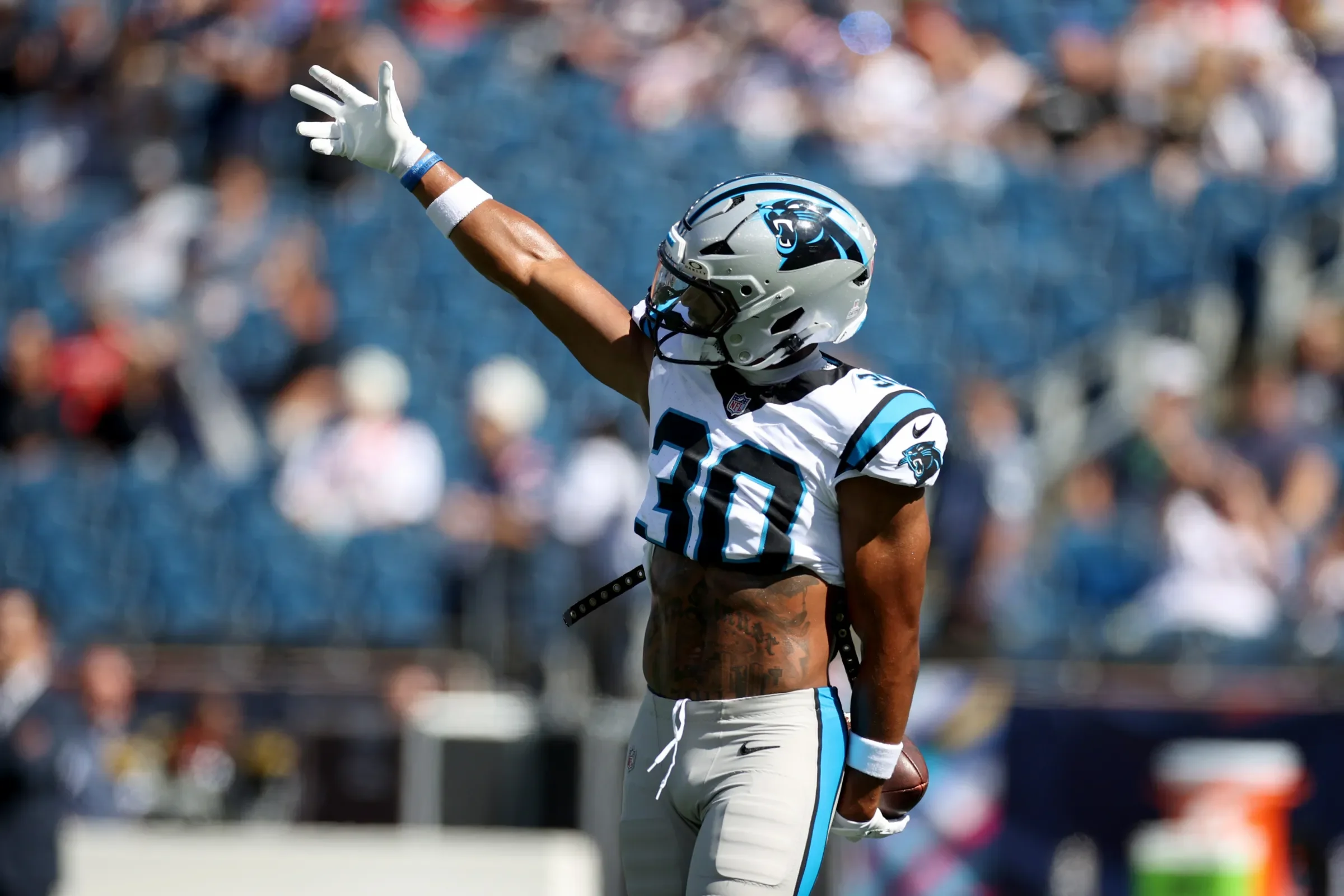
The Carolina Panthers’ running back situation is far trickier than it appears and in many ways it is entirely self inflicted.
Chuba Hubbard is expected to resume his role as the clear number one back in 2026, but it remains to be seen whether he can consistently perform as a true lead back over a full season. Rico Dowdle has already stated he is seeking a featured role and a bigger payday, making his return unlikely. Trevor Etienne could see an expanded role in his second season, but projecting him as more than a complementary piece at this stage would be premature.
The biggest variable, however, is Jonathan Brooks and the decision that brought him to Carolina.
No matter how good Brooks may ultimately become, the Panthers made a significant mistake by using a second round pick on a running back they did not need at the time. Hubbard was already a solid, cost controlled option, and the roster had far more pressing long term needs at premium positions. Linebacker depth was thin, the secondary needed another starting caliber safety, and the offensive line, particularly at center, was an obvious concern. Instead of addressing those areas with players like Jackson Powers Johnson or other Day 2 prospects, Carolina invested premium draft capital in the most replaceable position in football.
That decision now looms larger than ever. Brooks is entering his third season having played fewer than five career snaps and coming off two ACL injuries. While he flashed promise in extremely limited action, availability, not talent, is now the defining issue. The Panthers are effectively being asked to hope that a player who has barely been on the field can become the answer behind Hubbard.
When you add it all together, this is the real problem. With the Panthers needing significant help at linebacker, another starting safety, and depth across nearly every position group, running back should have been one of the few spots they did not have to worry about. Instead, based on what is returning, it is yet another uncertainty.
For a team already short on margin for error, being forced to revisit the running back position through the draft, free agency, or both is a roster building failure. It is a dilemma that did not need to exist and one that underscores how a single misallocation of resources can ripple across multiple seasons.